A Baroque stage for art and light
Stucco and symmetry, terraced gardens, Klimt’s gold, and modern clarity—tradition meeting a city that loves beauty and debate.
Table of Contents
Origins and foundations
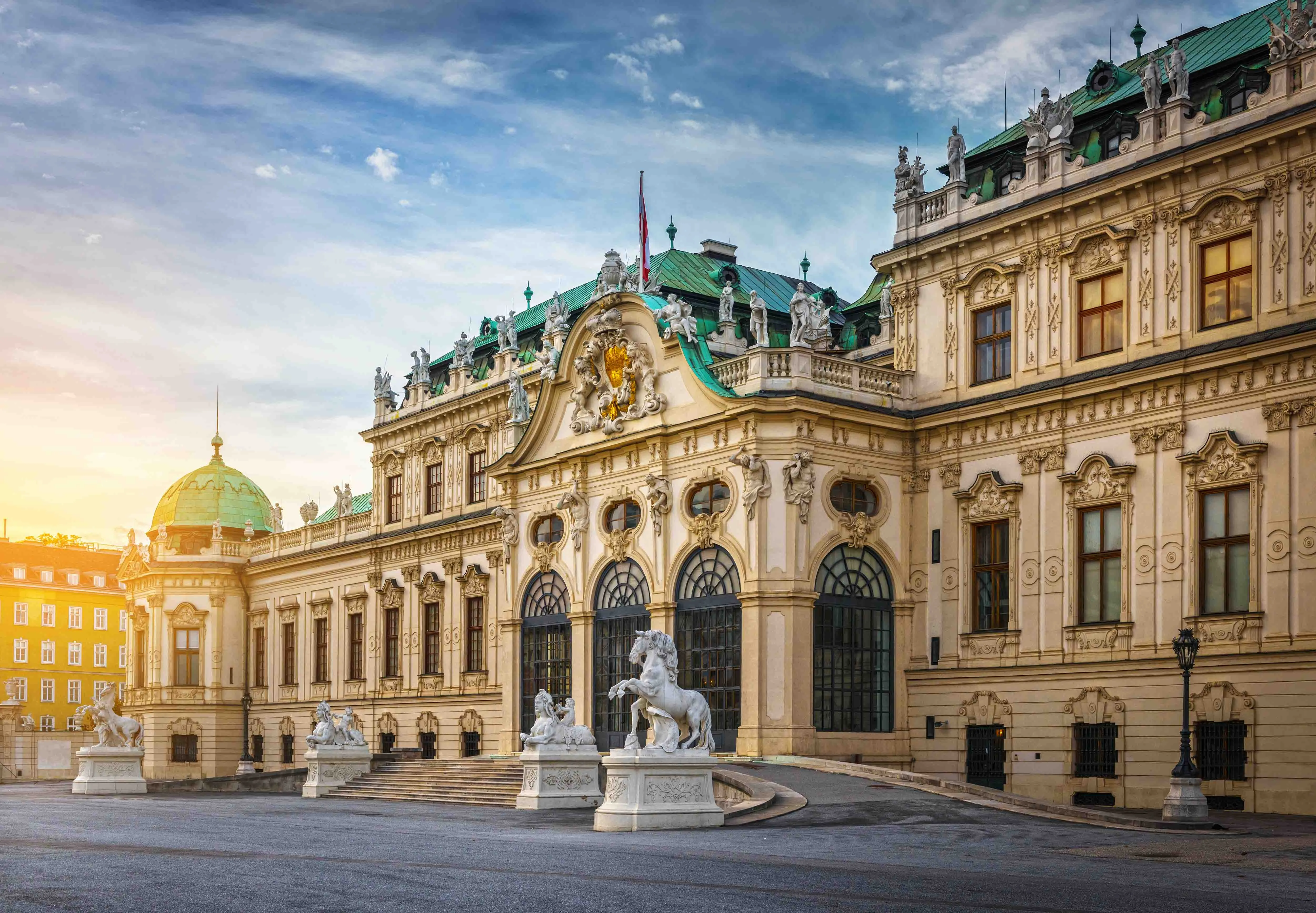
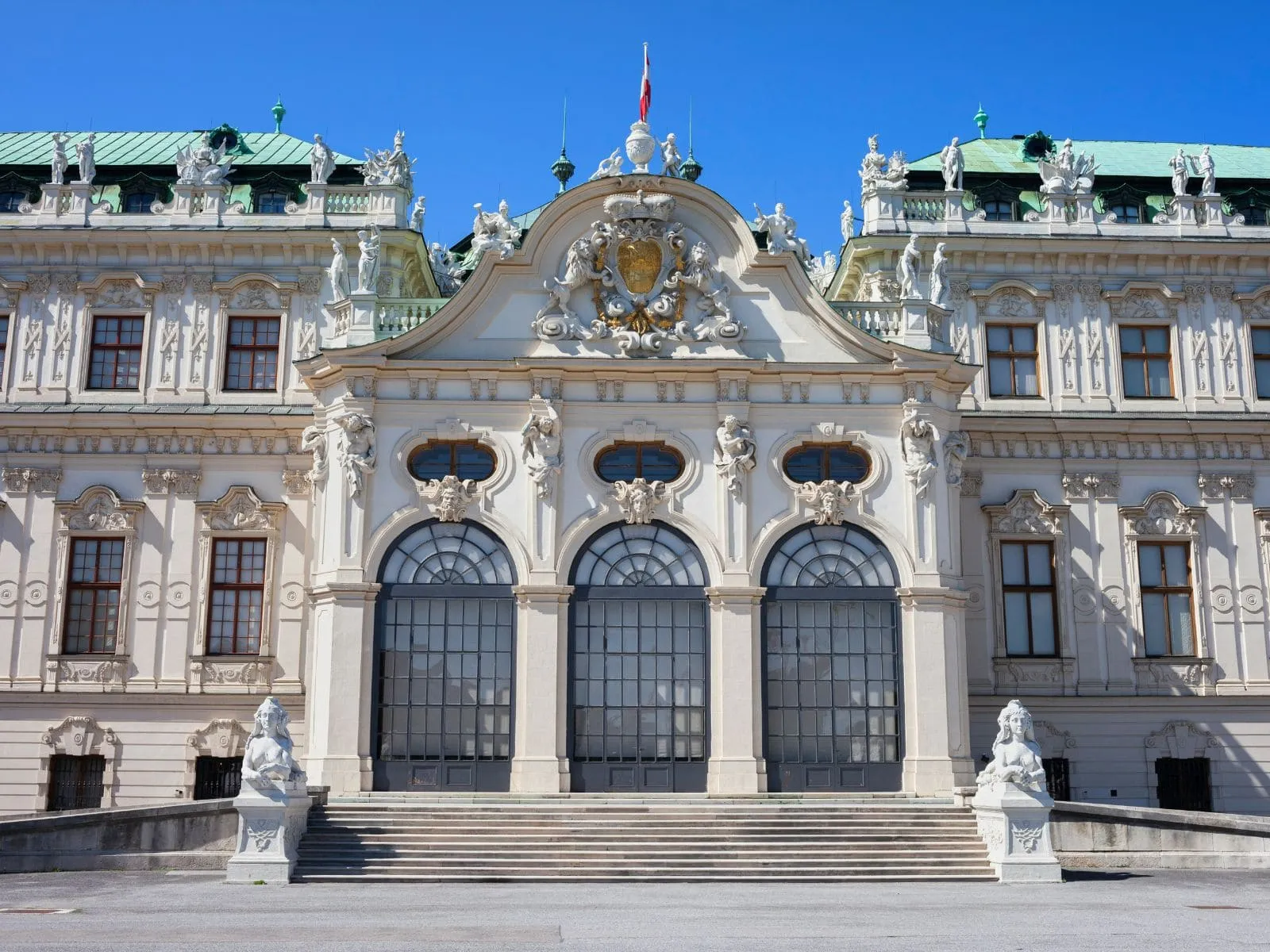
The Belvedere rises on a gentle slope south‑east of Vienna’s centre, conceived as a summer residence by Prince Eugene of Savoy—a strategist with a taste for beauty and a keen sense of stagecraft. From the beginning, architecture and garden geometry worked as partners: façades and fountains guiding the eye along theatrical axes, rooms arranged for ceremony, and terraces stepping down towards the city.
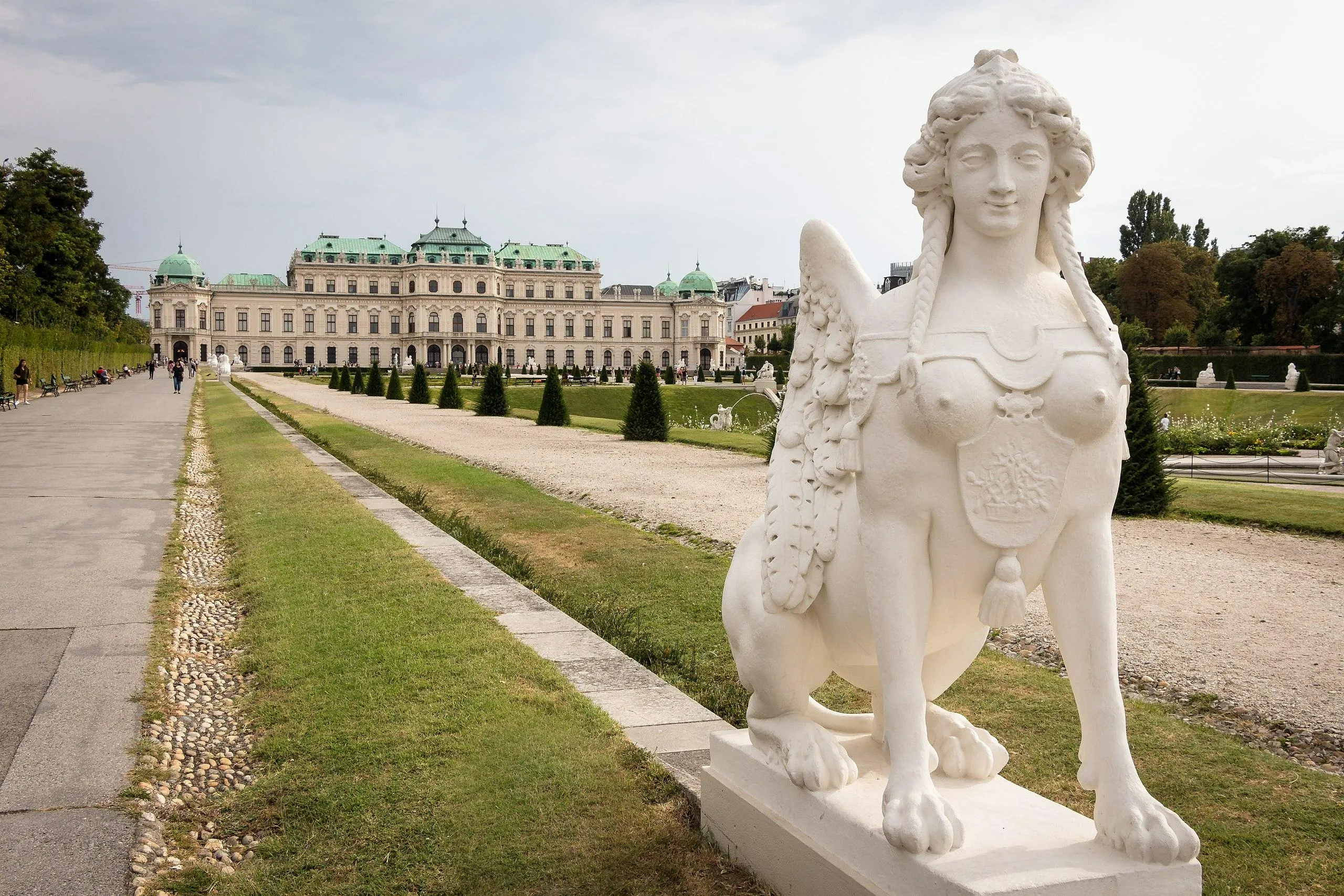
What we see today is the result of layers—Baroque splendour adapted, collections formed, and a dialogue with Vienna’s public growing richer year by year. Upper and Lower Belvedere mirror each other in ambition, while the gardens knit them together in green symmetry. The complex evolved into a museum, but never shed its original calling: to make art and place speak elegantly in the same sentence.
Prince Eugene and Baroque ambition
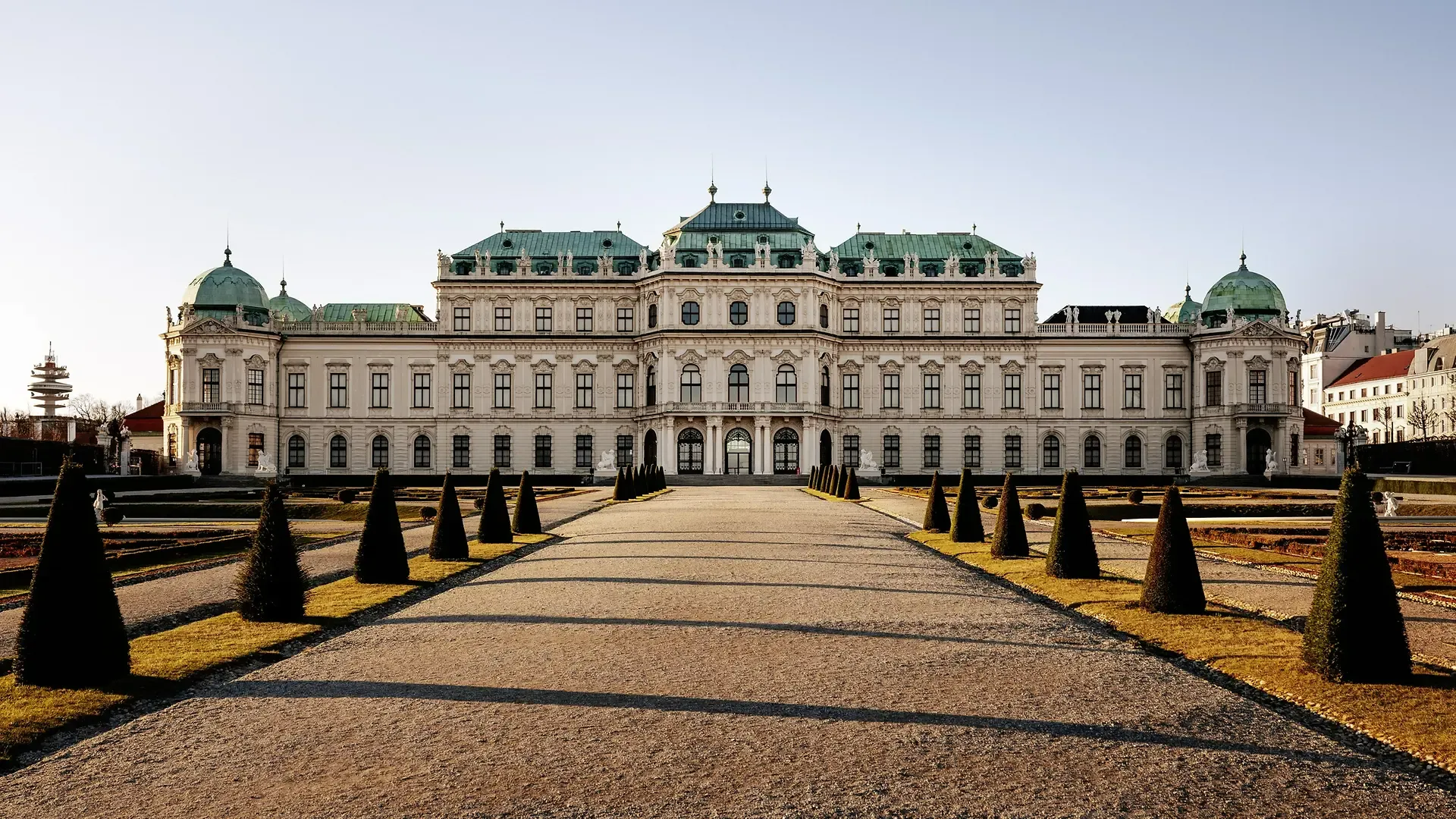
Prince Eugene’s vision was worldly and refined—victorious on battlefields, he invested in architecture that spoke of stability, taste, and intellect. The Belvedere served as a setting for diplomacy and display, where façades carried messages and gardens delivered them with grace. Rooms were designed for movement and impression, calibrated like music for receptions and conversation.
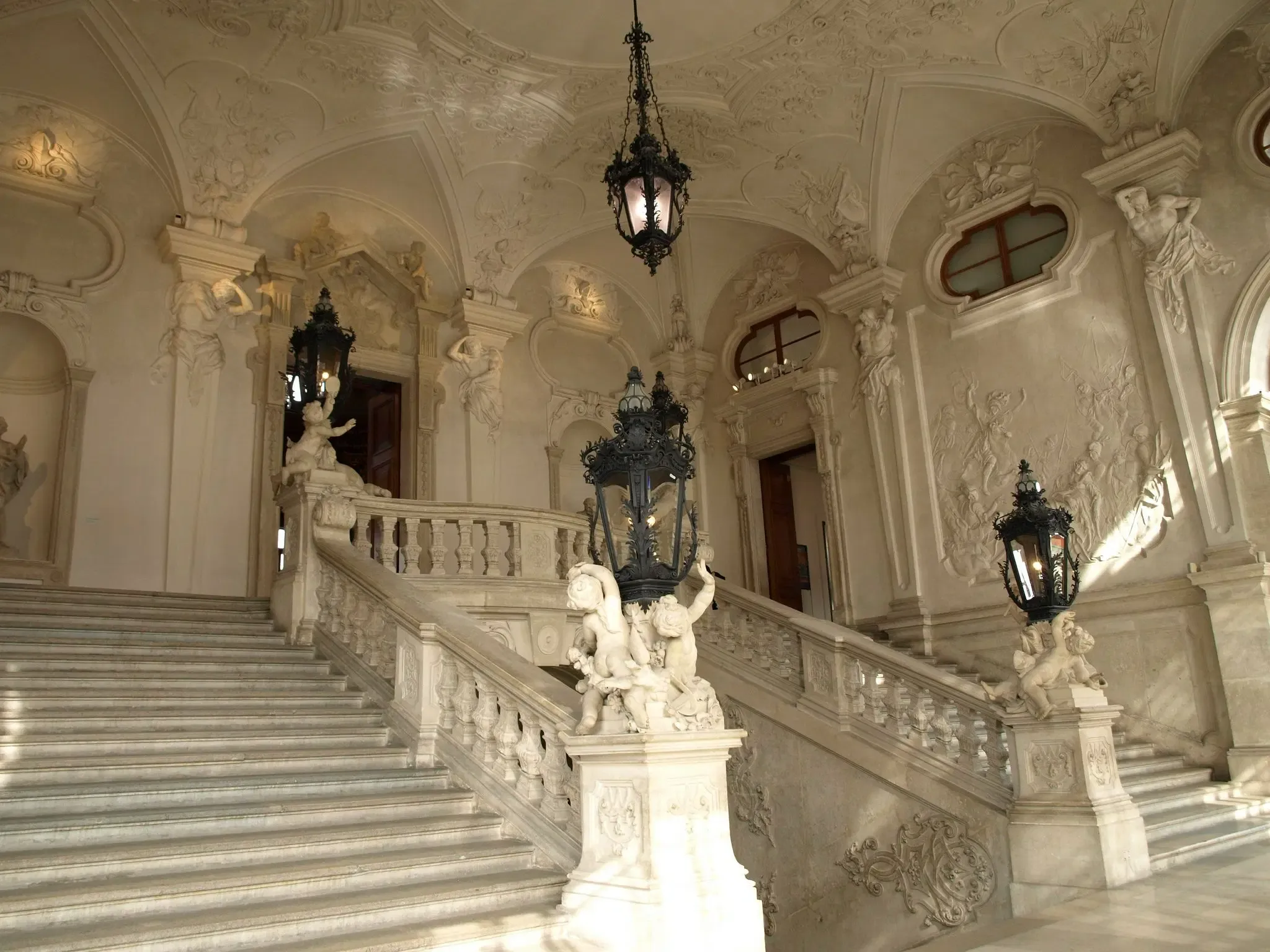
This ambition shaped Vienna’s sense of itself: a city of culture and ceremony where artistry and power often shared a table. Visiting today, you feel those traces in proportions and sightlines—the way a staircase prepares you, how a window frames the garden, and how the route through halls becomes a quiet procession.
Architecture, gardens, and craft
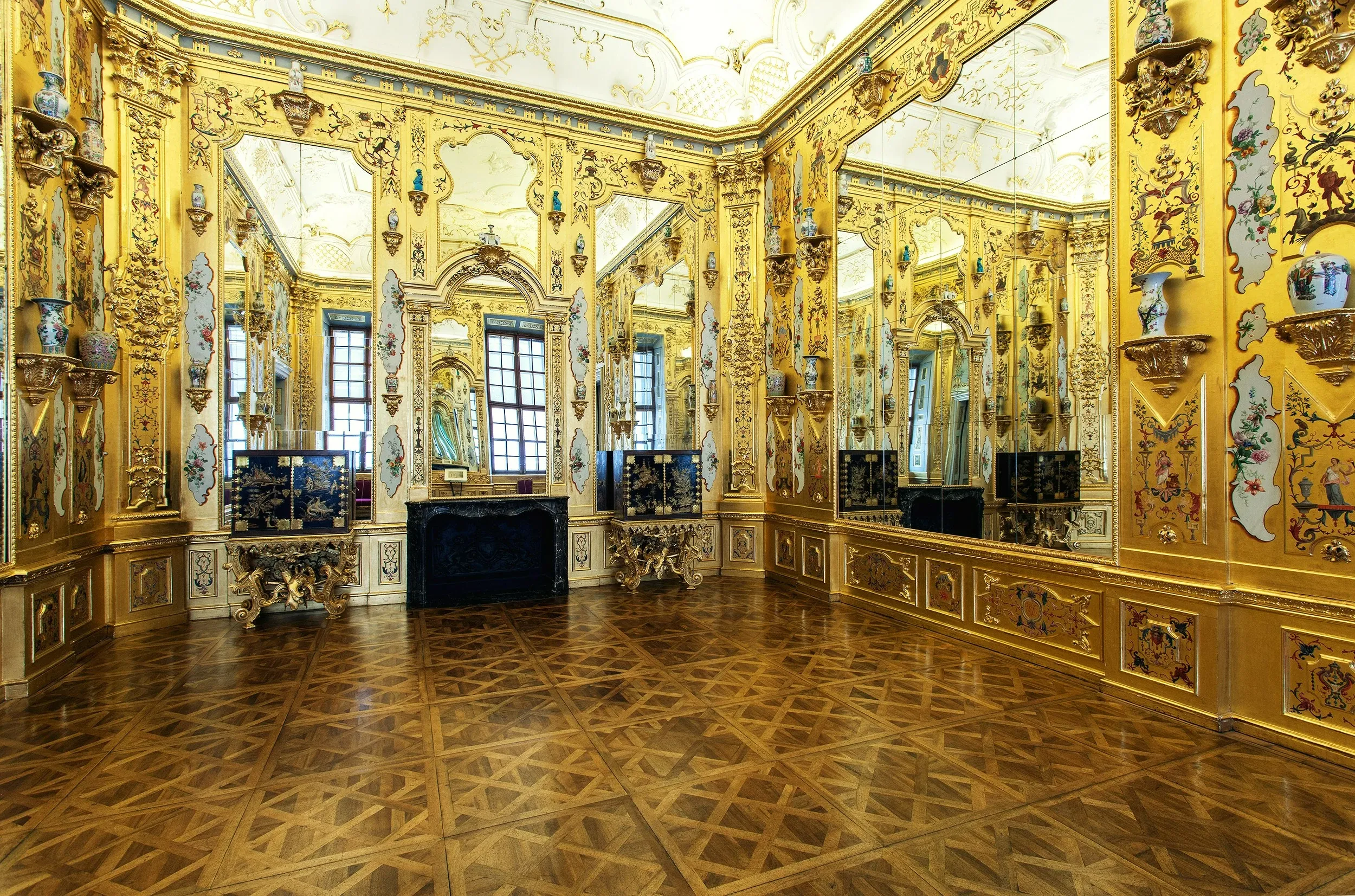
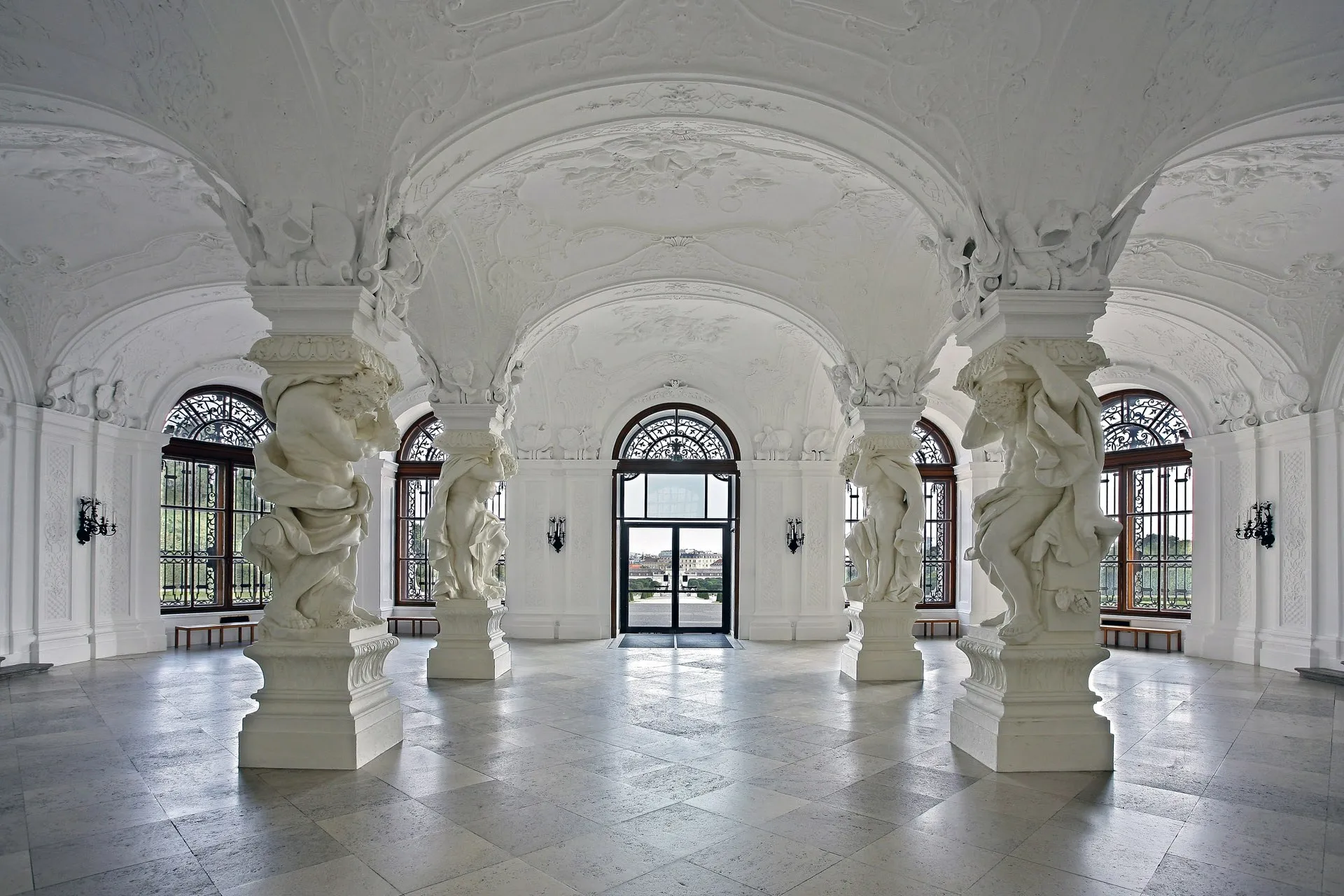
Baroque at the Belvedere is friendly theatre—stucco scrolls that feel like conversation, ceilings that lift the mood, and garden geometry that invites you to walk like you’re keeping gentle time. Craftspeople shaped wood, stone, and plaster into an environment that performs hospitality, making arrivals ceremonial and departures lingering.
Architecture is choreography here: terraces as pauses, fountains as cadences, and galleries as bright rooms where modern eyes meet old ambitions. The interplay of inside and outside remains the palace’s soft power—light slipping through windows, views caught at turns, and the city showing up as a quiet guest in the distance.
Collections and Austrian identity
The Belvedere’s collections chart Austria’s self‑portrait—from medieval devotion to imperial portraiture, from Biedermeier interiors to Secession experiments. Paintings, sculptures, and decorative arts trace how a society imagines itself, sometimes formally, sometimes playfully, often with a tenderness that meets you halfway.
Labels and multimedia guides turn objects into conversations—how artists saw Vienna’s rooms and rivers, why colour shifted with philosophy, and where craft became modern. If you choose a handful of works and stand awhile, the galleries answer with stories that feel like friends recalling a city with affection.
Secession and Klimt
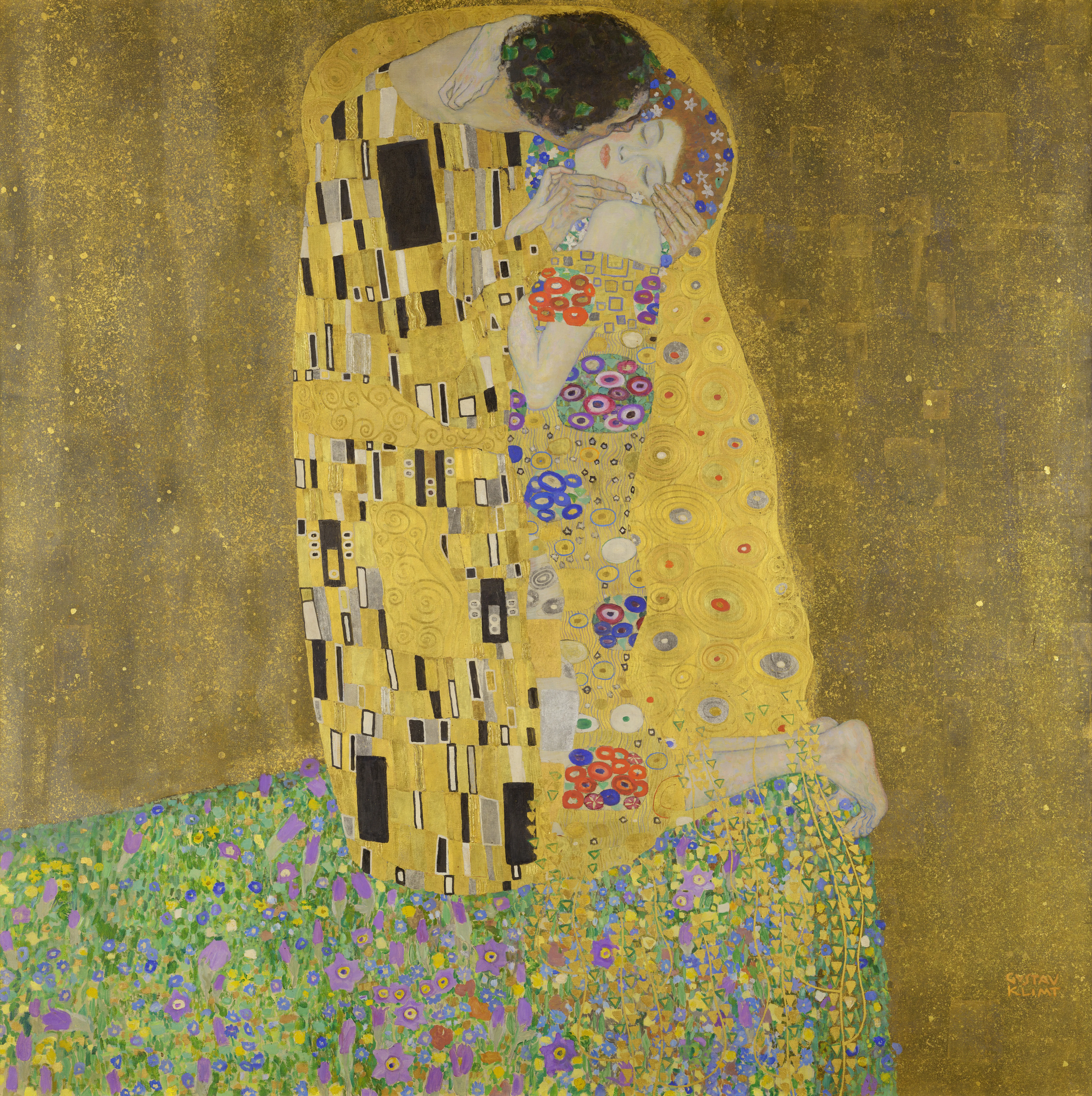
Vienna around 1900 became a workshop of modern feeling—the Secession asking how art might breathe outside tradition, Klimt painting tenderness with ornament, Schiele drawing uncertainty with spare lines. At the Belvedere, these voices gather like a salon: radical yet intimate, experimental yet humane.
‘The Kiss’ is not a symbol so much as a pause: two figures wrapped in gold and pattern, faces turned into a quiet agreement. Pair it with landscapes, portraits, and drawings from the period; the room becomes a chorus about what closeness and beauty can be when a city listens to its own heartbeat.
War, repair, and stewardship
The 20th century asked Vienna to be resilient—conflict, occupation, and rebuilding turned palaces and museums into projects of care. The Belvedere weathered damage and adapted, conserving art and architecture with patience and craft.
Stewardship here is practical and tender: surfaces cleaned, rooms rethought, climate stabilised, and collections cared for in ways that feel like promises kept. When you visit, the calm you sense is not just aesthetic; it’s the confidence of a place that knows how to look after its memory.
Museology and modern shifts
As museums evolved, the Belvedere’s role widened—from princely setting to public forum for art and ideas. Curators reframed narratives, welcomed new research, and opened dialogues between periods. Exhibition design became a language: quiet, clear, and respectful of both artworks and visitors.
These shifts emphasise access and context—texts that guide rather than lecture, multimedia that supports rather than distracts, and routes that keep rooms breathing. A good visit feels like a thoughtful conversation, paced by you.
Belvedere 21 and contemporary voices
Belvedere 21 brings modern clarity—post‑war architecture hosting contemporary art, performance, and discussion. It extends the Belvedere’s conversation beyond history into the present tense, where Vienna debates itself openly and art keeps time with the city.
Accessibility and welcome guide routes: lifts, clear signage, and staff who keep the experience simple and kind. Timed entry and helpful pacing turn a big day into a gentle one.
Vienna’s cultural rhythm
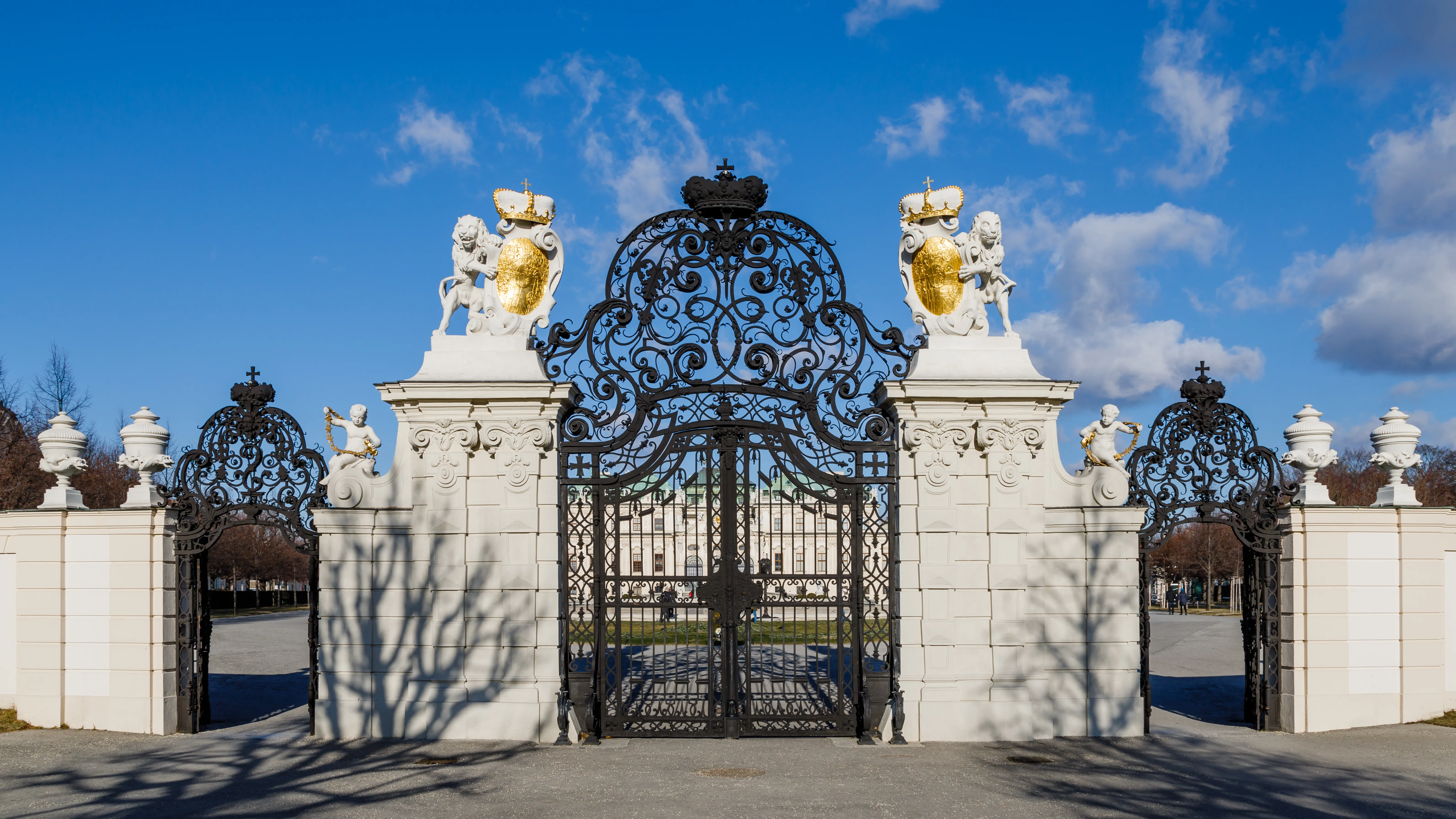
Vienna’s museums and palaces keep a steady cadence—mornings bright with coffee and galleries, afternoons drifting through parks, evenings in concert halls. The Belvedere fits neatly in that rhythm, letting art feel like part of daily life rather than a special performance.
Pair the Belvedere with the Musikverein, the Albertina, or a walk along the Ringstraße. The city becomes a companion: architecture telling you where to pause, cafes telling you when to exhale.
Planning with historical context
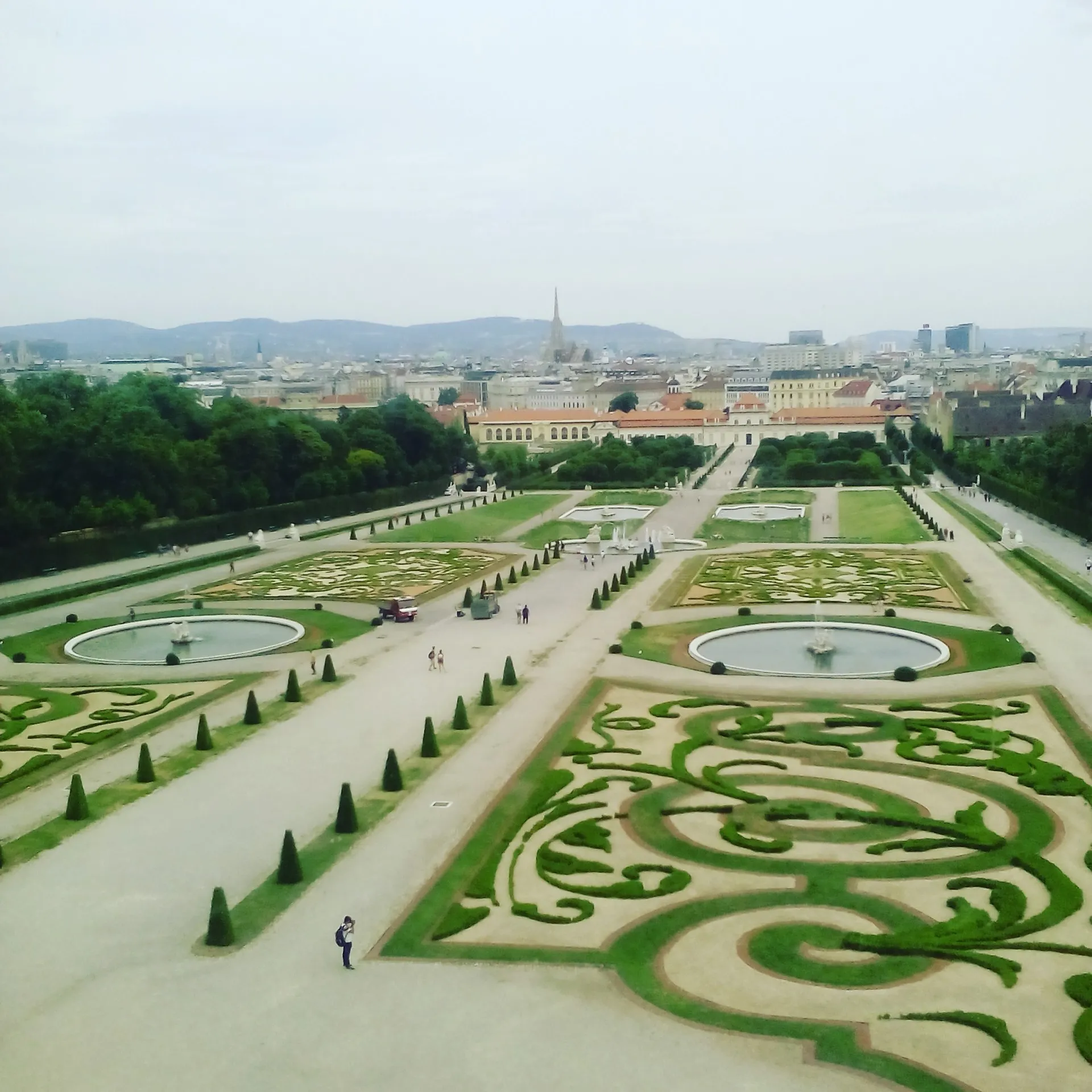
Begin with the gardens—walk the axis to feel how architecture frames the day. Then move into Upper Belvedere with a handful of works in mind; give Klimt a full five minutes before reading anything.
Context makes rooms richer: read labels after your first impressions, use the multimedia guide for key periods, and pair Upper with Lower Belvedere so architecture and art answer each other.
Belvedere and surroundings
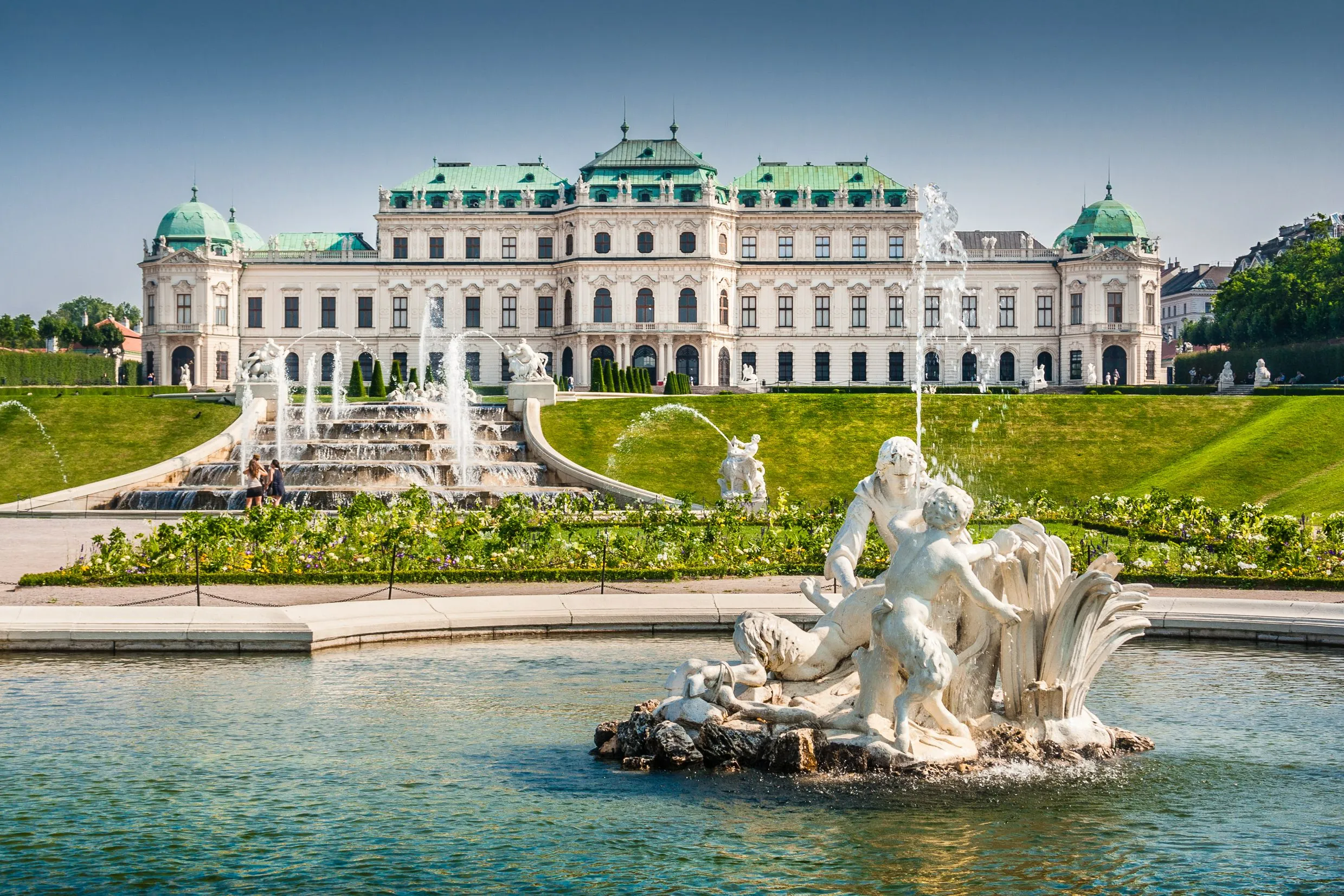
The Belvedere sits within a generous circuit—gardens flowing to the city, the Ringstraße within reach, and the main station a short walk away. Axial views explain how Vienna prefers calm order to loud spectacle.
Nearby, the Karlskirche offers dome drama, the Albertina presents prints and painting, and the Stadtpark invites a green interlude. The Belvedere remains a gracious anchor—confident, accessible, and quietly proud.
Complementary nearby sites
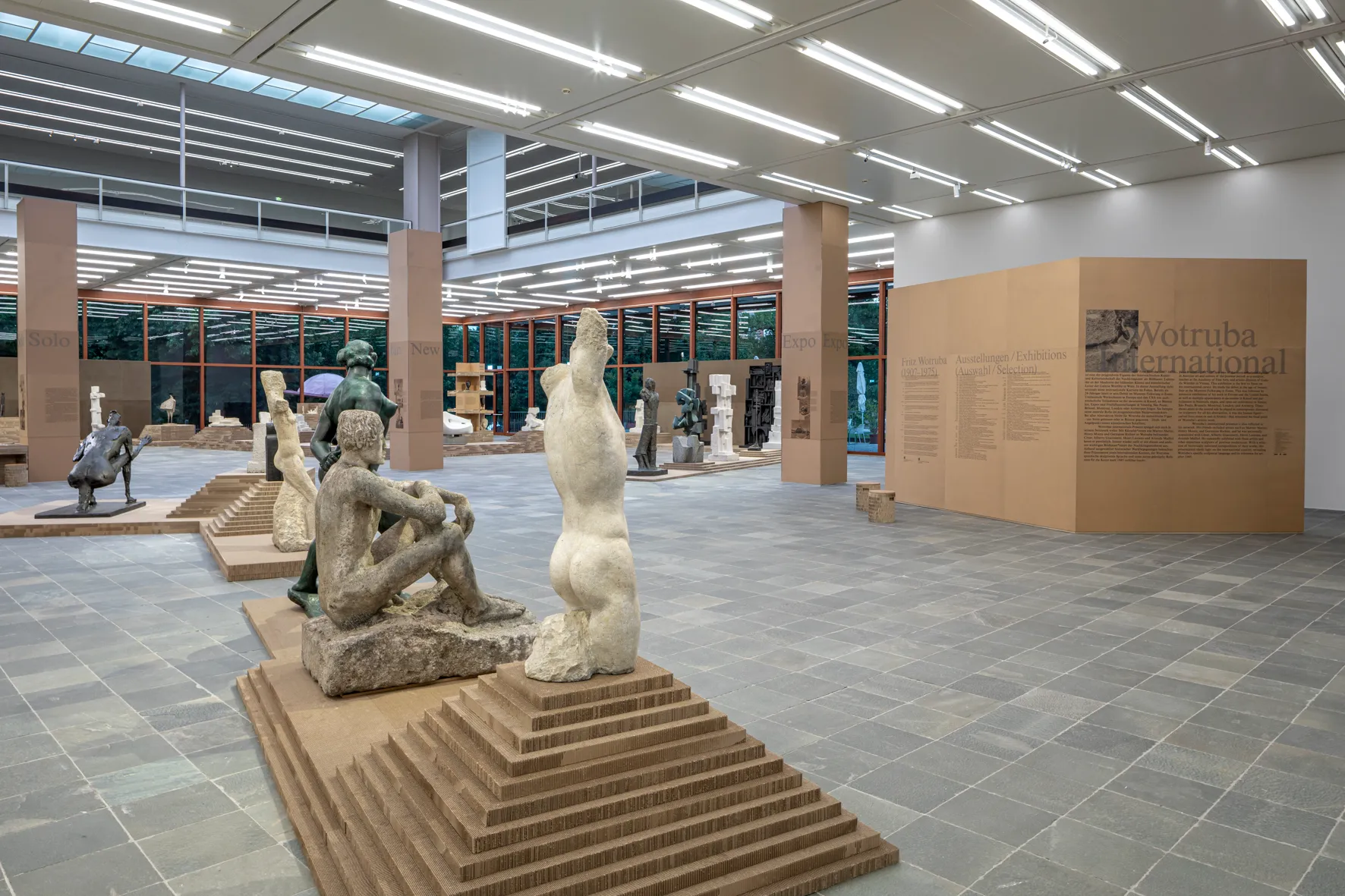
Karlskirche, Albertina, the Museum of Military History (Heeresgeschichtliches Museum), and the Austrian Gallery at the Upper Belvedere form a cultured loop.
Pairing sites brings contrast: Baroque and Secession, interiors and gardens, contemplation and conversation. It turns a single visit into a day that feels full yet unhurried.
Enduring legacy of the Belvedere
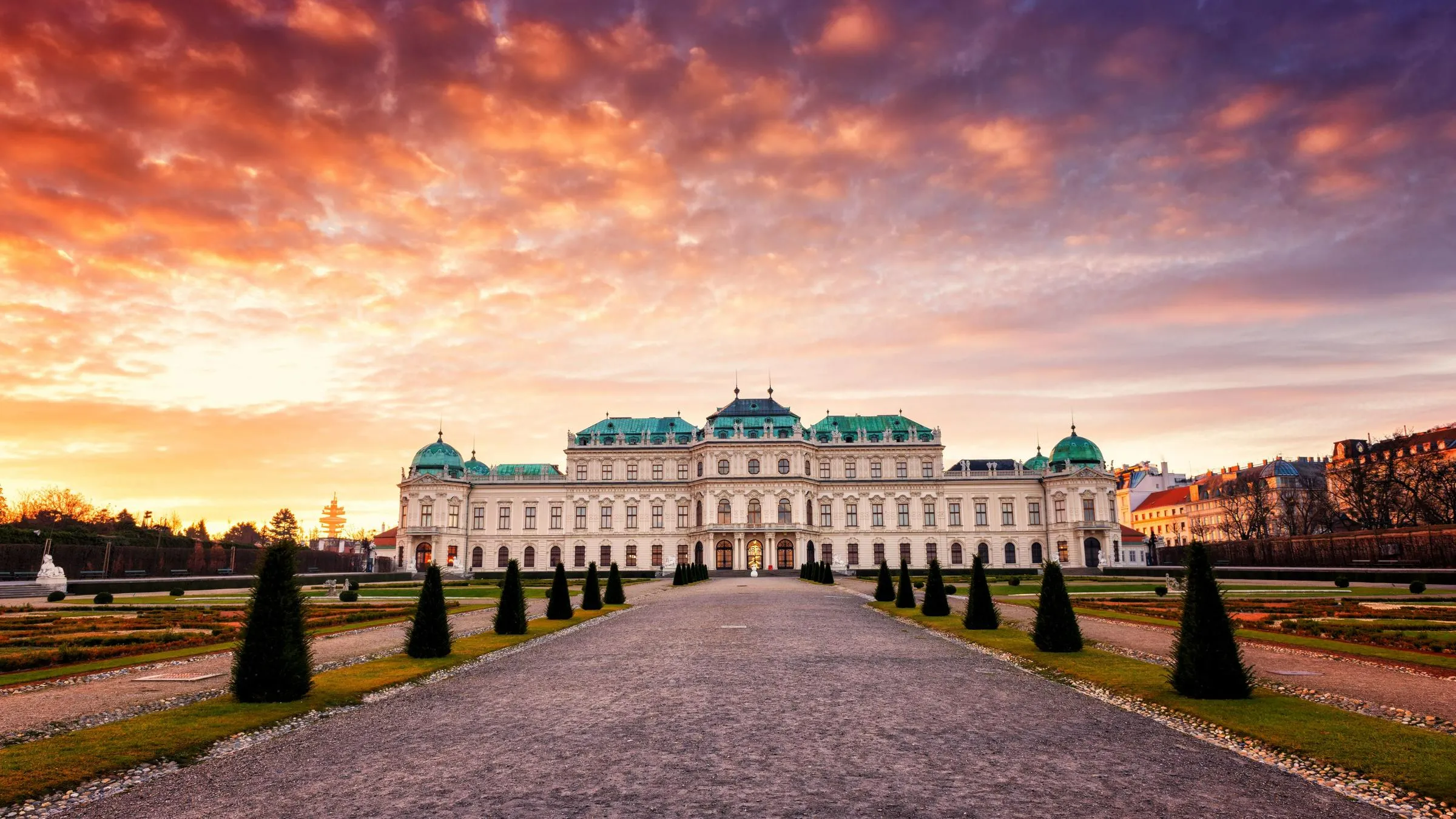
The Belvedere carries stories of ambition, care, and culture. It is where Baroque architecture frames modern imagination, where collections nurture national memory, and where visitors learn that beauty is a public good.
Conservation, adaptation, and thoughtful access keep its meaning alive—tradition with room to breathe, a museum that belongs to many moments and generations.
Table of Contents
Origins and foundations
The Belvedere rises on a gentle slope south‑east of Vienna’s centre, conceived as a summer residence by Prince Eugene of Savoy—a strategist with a taste for beauty and a keen sense of stagecraft. From the beginning, architecture and garden geometry worked as partners: façades and fountains guiding the eye along theatrical axes, rooms arranged for ceremony, and terraces stepping down towards the city.
What we see today is the result of layers—Baroque splendour adapted, collections formed, and a dialogue with Vienna’s public growing richer year by year. Upper and Lower Belvedere mirror each other in ambition, while the gardens knit them together in green symmetry. The complex evolved into a museum, but never shed its original calling: to make art and place speak elegantly in the same sentence.
Prince Eugene and Baroque ambition
Prince Eugene’s vision was worldly and refined—victorious on battlefields, he invested in architecture that spoke of stability, taste, and intellect. The Belvedere served as a setting for diplomacy and display, where façades carried messages and gardens delivered them with grace. Rooms were designed for movement and impression, calibrated like music for receptions and conversation.
This ambition shaped Vienna’s sense of itself: a city of culture and ceremony where artistry and power often shared a table. Visiting today, you feel those traces in proportions and sightlines—the way a staircase prepares you, how a window frames the garden, and how the route through halls becomes a quiet procession.
Architecture, gardens, and craft
Baroque at the Belvedere is friendly theatre—stucco scrolls that feel like conversation, ceilings that lift the mood, and garden geometry that invites you to walk like you’re keeping gentle time. Craftspeople shaped wood, stone, and plaster into an environment that performs hospitality, making arrivals ceremonial and departures lingering.
Architecture is choreography here: terraces as pauses, fountains as cadences, and galleries as bright rooms where modern eyes meet old ambitions. The interplay of inside and outside remains the palace’s soft power—light slipping through windows, views caught at turns, and the city showing up as a quiet guest in the distance.
Collections and Austrian identity
The Belvedere’s collections chart Austria’s self‑portrait—from medieval devotion to imperial portraiture, from Biedermeier interiors to Secession experiments. Paintings, sculptures, and decorative arts trace how a society imagines itself, sometimes formally, sometimes playfully, often with a tenderness that meets you halfway.
Labels and multimedia guides turn objects into conversations—how artists saw Vienna’s rooms and rivers, why colour shifted with philosophy, and where craft became modern. If you choose a handful of works and stand awhile, the galleries answer with stories that feel like friends recalling a city with affection.
Secession and Klimt
Vienna around 1900 became a workshop of modern feeling—the Secession asking how art might breathe outside tradition, Klimt painting tenderness with ornament, Schiele drawing uncertainty with spare lines. At the Belvedere, these voices gather like a salon: radical yet intimate, experimental yet humane.
‘The Kiss’ is not a symbol so much as a pause: two figures wrapped in gold and pattern, faces turned into a quiet agreement. Pair it with landscapes, portraits, and drawings from the period; the room becomes a chorus about what closeness and beauty can be when a city listens to its own heartbeat.
War, repair, and stewardship
The 20th century asked Vienna to be resilient—conflict, occupation, and rebuilding turned palaces and museums into projects of care. The Belvedere weathered damage and adapted, conserving art and architecture with patience and craft.
Stewardship here is practical and tender: surfaces cleaned, rooms rethought, climate stabilised, and collections cared for in ways that feel like promises kept. When you visit, the calm you sense is not just aesthetic; it’s the confidence of a place that knows how to look after its memory.
Museology and modern shifts
As museums evolved, the Belvedere’s role widened—from princely setting to public forum for art and ideas. Curators reframed narratives, welcomed new research, and opened dialogues between periods. Exhibition design became a language: quiet, clear, and respectful of both artworks and visitors.
These shifts emphasise access and context—texts that guide rather than lecture, multimedia that supports rather than distracts, and routes that keep rooms breathing. A good visit feels like a thoughtful conversation, paced by you.
Belvedere 21 and contemporary voices
Belvedere 21 brings modern clarity—post‑war architecture hosting contemporary art, performance, and discussion. It extends the Belvedere’s conversation beyond history into the present tense, where Vienna debates itself openly and art keeps time with the city.
Accessibility and welcome guide routes: lifts, clear signage, and staff who keep the experience simple and kind. Timed entry and helpful pacing turn a big day into a gentle one.
Vienna’s cultural rhythm
Vienna’s museums and palaces keep a steady cadence—mornings bright with coffee and galleries, afternoons drifting through parks, evenings in concert halls. The Belvedere fits neatly in that rhythm, letting art feel like part of daily life rather than a special performance.
Pair the Belvedere with the Musikverein, the Albertina, or a walk along the Ringstraße. The city becomes a companion: architecture telling you where to pause, cafes telling you when to exhale.
Planning with historical context
Begin with the gardens—walk the axis to feel how architecture frames the day. Then move into Upper Belvedere with a handful of works in mind; give Klimt a full five minutes before reading anything.
Context makes rooms richer: read labels after your first impressions, use the multimedia guide for key periods, and pair Upper with Lower Belvedere so architecture and art answer each other.
Belvedere and surroundings
The Belvedere sits within a generous circuit—gardens flowing to the city, the Ringstraße within reach, and the main station a short walk away. Axial views explain how Vienna prefers calm order to loud spectacle.
Nearby, the Karlskirche offers dome drama, the Albertina presents prints and painting, and the Stadtpark invites a green interlude. The Belvedere remains a gracious anchor—confident, accessible, and quietly proud.
Complementary nearby sites
Karlskirche, Albertina, the Museum of Military History (Heeresgeschichtliches Museum), and the Austrian Gallery at the Upper Belvedere form a cultured loop.
Pairing sites brings contrast: Baroque and Secession, interiors and gardens, contemplation and conversation. It turns a single visit into a day that feels full yet unhurried.
Enduring legacy of the Belvedere
The Belvedere carries stories of ambition, care, and culture. It is where Baroque architecture frames modern imagination, where collections nurture national memory, and where visitors learn that beauty is a public good.
Conservation, adaptation, and thoughtful access keep its meaning alive—tradition with room to breathe, a museum that belongs to many moments and generations.